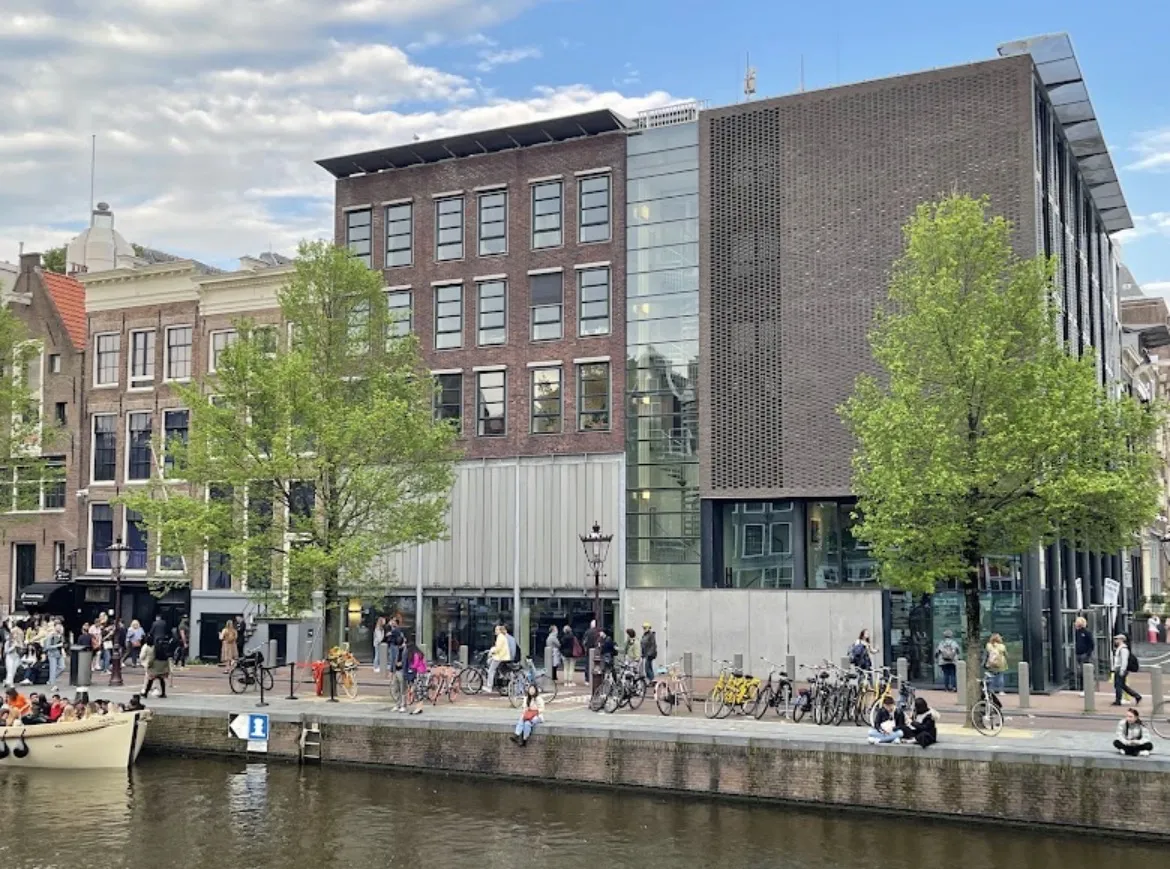
Anne Frank House Amsterdam
The Complete Visitor Guide: Official Tickets, the Secret Annex & Practical Tips
Walk through the rooms where Anne Frank hid and wrote her diary, one of the most moving historical sites in the world.
Official Anne Frank House Tickets: Read This First
Anne Frank House admission tickets are not sold through Tiqets or any other third-party platform. Official admission tickets should always be booked through the official Anne Frank House reservation system at annefrank.org.
- There are no walk-in tickets. The museum does not sell tickets at the door.
- Tickets have been released every Tuesday at 10:00 CEST for visits exactly six weeks later.
- Popular dates often sell out within minutes, so advance planning is essential.
- The tours and activities shown below are related experiences. They are not official Anne Frank House admission tickets.
Related Experiences Visitors Also Enjoy
Guided walks through the Jordaan and the Jewish Quarter add history and context to your visit. These experiences do not include entry to the Anne Frank House. Book your museum ticket separately on the official website.
Affiliate disclosure: Some links on this page are affiliate links. We may earn a commission if you book, at no extra cost to you. Last checked: November 2026.
What Is the Anne Frank House?
The Anne Frank House is a museum at Prinsengracht 263 in Amsterdam, preserving the Secret Annex where Anne Frank hid during World War II. Visit to stand in the rooms where she wrote her diary and understand her story. Tickets must be booked in advance on the official website.
Visitor entrance
Westermarkt 20, Amsterdam
Opening hours
Daily, seasonal (check official site)
Price (adult)
About €16, verify on annefrank.org
Duration
Allow 1–1.5 hours
Why Visit the Anne Frank House
The Anne Frank House is one of the most visited and most significant historical sites in the world, and for many travellers it becomes the most memorable stop of their time in Amsterdam. It is not a museum of objects so much as a museum of presence. You stand in the actual building on the Prinsengracht canal, walk through the same narrow passage that Anne walked, and see the rooms where eight people lived in silence for more than two years.
For first-time visitors, it explains something essential about the city: that the elegant canal houses you admire from a boat were also the setting of one of the twentieth century's defining stories. For history lovers, it offers a deeply personal lens on the Nazi occupation of the Netherlands. For families with older children, it can turn a school-book story into something real and lasting.
Expect a visit that is quiet, emotional and thoughtful rather than entertaining. Most people leave wanting a little time to sit, walk and reflect, so avoid scheduling something demanding right afterwards. If you are building a wider plan, our first-time visitor guide shows how to balance serious sites with lighter moments.
Who this visit is for
- First-time Amsterdam visitors: A must-plan sight, but only with a pre-booked ticket.
- International tourists: Audio guides are available in several languages.
- History lovers: Pair it with a walk through the Jordaan and Jewish Quarter.
- Families with older children: Best from around age 10, when children can engage with the subject.
- Cruise passengers: Possible only with a booked slot, so plan ahead.
- Weekend visitors: Book the Tuesday release as soon as your dates are fixed.
The Story of Anne Frank
Anne Frank was born in Frankfurt, Germany, in 1929. After the Nazis came to power, her father Otto moved the family to Amsterdam in 1933 to escape persecution. Anne grew up in the city, went to school, made friends and, like many teenagers, loved writing, films and talking. On her thirteenth birthday in June 1942 she received a red-checked autograph book that she chose to use as a diary.
Only weeks later, in July 1942, her sister Margot received a call-up notice for a German labour camp. The family went into hiding the next day, moving into a concealed set of rooms at the back of Otto's business premises on the Prinsengracht. They were joined by Hermann and Auguste van Pels and their son Peter, and later by Fritz Pfeffer. In total, eight people lived in hiding.
In the Annex, Anne kept writing. Her diary records the fear, boredom and tension of confinement alongside humour, first love and sharp observations about the people around her. She addressed many entries to an imaginary friend, Kitty. In August 1944, the hiding place was discovered and everyone was arrested. Anne and Margot were later transported to Bergen-Belsen concentration camp, where both died in early 1945, only weeks before liberation.
Otto Frank was the only member of the group to survive. When he returned to Amsterdam, he was given Anne's diary by Miep Gies, one of the helpers who had supported the family. He published it in 1947, and it has since been translated into more than 70 languages and become one of the most widely read books in history.
The Secret Annex
The Secret Annex is the hidden rear part of the building where the group lived from July 1942 until August 1944, a total of 761 days. It was reached through a bookcase that swung open to conceal the entrance, and the original bookcase is one of the most powerful objects on view.
The rooms are small, dark and quiet. Windows were covered to avoid detection, and the residents had to keep silent during working hours while the warehouse below was in use. Daily life was shaped by strict routines, rationed food and constant fear of discovery.
The Annex is preserved largely without furniture, a decision made after the war. You may notice details that make the history feel immediate: pencil marks recording the children's growth on a wall, and the pictures and film-star cuttings that Anne pasted up to brighten her room. They are protected behind clear panels but remain clearly visible.
The people who helped them, including Miep Gies, Bep Voskuijl, Victor Kugler and Johannes Kleiman, risked their own lives for more than two years. Their quiet courage is part of the story told throughout the museum.
What You Will See Inside
- The front house and warehouse: The business premises where Otto Frank's employees worked, giving context for how the hiding place was concealed in plain sight.
- The movable bookcase: The hinged bookcase that hid the entrance to the Annex.
- The Annex rooms: The living spaces of the eight residents, including Anne's room.
- Anne's diary: The original notebooks are displayed, so you can see her handwriting.
- Personal objects and testimony: Photographs, documents and film that tell the wider story of the Frank family and the helpers.
- The exhibition on persecution: Context on the Holocaust and the Nazi occupation of the Netherlands, and the aftermath.
The route is one-way and often narrow, so crowds move slowly through the Annex itself. The audio guide and app give extra context, and the museum offers an optional introductory programme for those who want a deeper start. Photography is not permitted anywhere inside.
Visitor Information
- Visitor entrance: Westermarkt 20, 1016 GV Amsterdam. The historic building is Prinsengracht 263.
- Opening hours: Open daily, with seasonal hours that have often run from the morning into the evening. Always verify on the official site.
- Last entry: Typically about one hour before closing, but you must still hold a time-slot ticket.
- Admission: Adults have been around €16, with reduced prices for ages 10 to 17 and very low prices for under 10s.
- Time needed: 1 to 1.5 hours inside, around two hours in total.
- Photography: Not allowed.
- Bags: Large bags and backpacks may need to be stored or carried in a particular way, so travel light.
- Accessibility: The Annex has steep, narrow stairs. A separate accessible route exists, and visitors should contact the museum in advance.
- Age guidance: Recommended for children aged 10 and over.
Best Time to Visit the Anne Frank House
- Evening slots (after about 18:00): Often quieter and more reflective, when available.
- Early morning: The first slots of the day are calmer than midday.
- Avoid midday in high season: From April to September, late morning to mid-afternoon is the busiest period.
- Winter: Short days and fewer visitors make for a more subdued atmosphere, but tickets still need booking.
Because of the ticket system, the best time to visit is really the best time you can get. Choose a slot that leaves time on either side, and check our events calendar for city events that may affect travel on your day.
How to Get to the Anne Frank House
- Tram: Lines 13 and 17 stop at Westermarkt, a short walk from the entrance. Check a journey planner for current routes.
- On foot: About 15 to 20 minutes from Dam Square through the canal belt and Jordaan.
- From Amsterdam Centraal: Around 20 to 25 minutes on foot or a short tram ride.
- By bike: Bike parking is available nearby, but the canal streets can be crowded.
- From the cruise terminal: Allow time for a tram or taxi journey and a safe margin before returning to the ship.
Our Amsterdam transport guide explains tickets, trams and getting around.
Official Ticket Advice
How the official ticket system works
- 1. Decide your visit date, then count back six weeks to the Tuesday on which tickets for that date are released.
- 2. Be on annefrank.org at 10:00 CEST sharp that Tuesday.
- 3. Select your date and entry time and pay securely online.
- 4. Arrive at Westermarkt 20 a few minutes before your slot with your ticket on your phone.
Ticket vs walking tour
Official Museum Ticket
- ✓ Entry to the Anne Frank House
- ✓ The Secret Annex
- ✓ Anne's original diary
- ✓ All exhibitions
Book only at annefrank.org
Walking Tour (Jordaan / Jewish Quarter)
- ✓ Guided walk with historical context
- ✓ Stories of the neighbourhood
- ✓ Jordaan and canal belt
- ✗ Does not include museum entry
Always verify what is included
- Do not rely on resellers or third-party listings for museum admission.
- If your name is on the booking, bring matching ID if requested.
- Plan your trip dates around ticket availability, not the other way round.
- If you cannot get a ticket, try again on the next release Tuesday and consider off-peak slots.
Local Insider Tips
- Treat it as a memorial. Speak quietly, avoid rushing and keep phones away.
- Use the audio guide. The commentary adds meaning to every room.
- Plan a quiet hour afterwards. A walk along the canal or a coffee in the Jordaan helps you absorb the visit.
- Read the diary first. If you have time, reading even part of it beforehand makes the visit more personal.
- Look at the Westertoren bells. Anne wrote about the church clock and bells, which you can still hear from the street.
- Go on foot through the Jordaan. The side streets are quieter than the main canals and are rewarding to walk.
- Prepare older children. A short talk about the story before you go helps them engage thoughtfully.
Nearby Attractions
Westerkerk
The tall Protestant church next to the museum, with a tower you can climb in season for views over the canal belt. Its bells are mentioned in Anne's diary.
The Jordaan
A charming neighbourhood of small streets, independent shops and cafés, immediately to the west and ideal for a thoughtful walk afterwards.
Amsterdam Canal Cruise
A cruise is a natural complement to the visit, showing the canal belt where Anne's world was set. See our canal cruise guide.
Rijksmuseum
The national museum of Dutch art and history is a short tram ride away and offers a very different view of Amsterdam's past.
Van Gogh Museum
The world's largest Van Gogh collection on Museumplein, a good option for a lighter afternoon.
Moco Museum
A colourful contemporary art stop near Museumplein if you want something uplifting after a heavy morning.
For more ideas, browse our best museums in Amsterdam guide or things to do in Amsterdam.
Suggested Ways to Plan Your Day
Half-day: History and the canals
- Morning: Your booked Anne Frank House slot.
- Late morning: Coffee in the Jordaan and a slow canal walk.
- Midday: Lunch, then an optional canal cruise.
Full day: History and art
- Morning: Anne Frank House and Westerkerk.
- Afternoon: Tram to Museumplein for the Rijksmuseum or Van Gogh Museum.
- Evening: Dinner in De Pijp or the canal belt.
For a longer stay, see Amsterdam in 3 days.
Visiting with Children and Teenagers
The museum recommends the Anne Frank House for children aged 10 and above. The subject matter, which includes the Holocaust, persecution and hiding, requires emotional maturity. Many families find that teenagers respond deeply to Anne's voice because she was close to their age.
Prepare children beforehand, explain what they will see and agree that the visit is a quiet one. Afterwards, give them space to ask questions. For younger children, a guided neighbourhood walk may be a gentler introduction before considering the museum later.
Accessibility
Due to the historic nature of the building, the original Secret Annex has steep, narrow stairs that are not wheelchair accessible. A separate accessible route allows wheelchair users to experience the majority of the exhibition. Contact the museum in advance through annefrank.org to arrange access.
Anne Frank House FAQ
What is the Anne Frank House?
The Anne Frank House is a museum at Prinsengracht 263 in Amsterdam. It preserves the building where Anne Frank, her family and four others hid in the Secret Annex during World War II, and tells the story of Anne's life and her diary.
How do I get Anne Frank House tickets?
Official tickets are only available through the official Anne Frank House website at annefrank.org. The museum does not sell tickets at the door, so there are no walk-in tickets. Book directly to pay the correct price.
How far in advance should I book?
Tickets have been released every Tuesday at 10:00 CEST for visits exactly six weeks later, and popular dates sell out within minutes. Set a reminder for the Tuesday six weeks before your visit and be ready on annefrank.org at 10:00. Always confirm the current release schedule on the official site.
What does an Anne Frank House ticket cost?
The adult ticket has been €16.00 including a €1 booking fee, with reduced rates for children aged 10 to 17 and €1 for children under 10. An optional introductory programme costs extra. Always verify the current price at annefrank.org.
Are Anne Frank House tickets sold on Tiqets or other sites?
No. Official admission tickets are sold through the official Anne Frank House reservation system only. Other websites may offer walking tours or related experiences, but those do not replace an official museum ticket unless the museum itself says so.
Do guided walking tours include admission to the Anne Frank House?
In most cases no. Walking tours of the Jordaan and the Jewish Quarter add historical context but usually do not include museum entry. Read the 'What's included' section of any listing carefully, and book your museum ticket separately on annefrank.org.
How long does a visit to the Anne Frank House take?
Allow 1 to 1.5 hours for the museum itself. With queuing, travel and time to reflect afterwards, plan for around two hours in total.
What is the best time to visit the Anne Frank House?
Evening slots after about 18:00 and early morning slots are generally calmer. Midday and early afternoon from April to September are the busiest. Hours are seasonal, so check the official site.
Is the Anne Frank House suitable for children?
The museum recommends it for children aged 10 and above. The subject matter is serious and the interior spaces are narrow, so younger children may find it difficult.
Is the Anne Frank House wheelchair accessible?
The original Secret Annex has steep, narrow stairs and is not wheelchair accessible. A separate accessible route allows wheelchair users to experience much of the exhibition. Contact the museum in advance to arrange it.
Can I take photos inside the Anne Frank House?
No. Photography is not permitted anywhere inside the museum, including the Secret Annex. Please respect the rule and the nature of the site as a memorial.
Where is the entrance to the Anne Frank House?
The visitor entrance is at Westermarkt 20. The historic building itself is at Prinsengracht 263, but you should not go there to enter.
Can I visit the Anne Frank House on a cruise day?
Only if you hold a pre-booked time slot. Because tickets sell out weeks ahead, cruise passengers should book as soon as their dates are known and allow generous time to travel from the terminal and return to the ship.
Is there an audio guide?
Yes. The museum offers an audio guide and app in several languages that adds context to each room. Check the official site for current availability and languages.
What should I do if tickets are sold out?
Check the official site again on the next release Tuesday and look at less popular times such as early morning or evening. A guided neighbourhood walk and the Anne Frank related sites nearby can still give meaningful context while you wait.
Practical Information
Visitor entrance
Westermarkt 20, Amsterdam
Historic building
Prinsengracht 263 (not the entrance)
Hours
Seasonal, check official site
Tram
Lines 13 and 17, Westermarkt
Get the Free Amsterdam Insider Guide
Practical tips, seasonal events and local recommendations to help you plan Amsterdam with confidence.
Get Weekly Amsterdam Updates
Events, travel tips, festival announcements & day trip inspiration — free every week.
Final Verdict
The Anne Frank House is not a typical sightseeing stop, and it is not meant to be. It is a place of memory, and it rewards visitors who come prepared, respectful and unhurried. The practical challenge is the ticket, so make that your first task: use the official reservation system, plan around the weekly release and choose a quieter slot if you can.
Combine the visit with a walk through the Jordaan, a gentle canal cruise or a lighter museum afterwards, and you will leave with both context and space to reflect. Always check opening hours, prices and booking rules on the official site before you travel, as details can change.