Hortus Botanicus Amsterdam: The Complete Visitor Guide
Tickets, historic greenhouses, rare plants and practical tips for one of the oldest botanical gardens in the world.
Address
Plantage Middenlaan 2a, 1018 DD Amsterdam
Opening hours
Daily, from 10:00 (closing time varies by season)
Ticket price
Typically low to mid teens
Best for
Nature lovers, couples, photographers, families
Duration
1.5–2 hours
Book Hortus Botanicus Tickets
Choose your date, then compare standard admission with combination options. Each listing shows what is included, so check it before you book. Hortus is a separate attraction from ARTIS Royal Zoo and Micropia, which are a short walk away.
Why Book in Advance
Hortus Botanicus is most popular in spring, when the flowers are in bloom, and on sunny weekends, when locals and visitors fill the paths. Booking online lets you choose a day and time with confidence, and usually means smoother entry. It also makes planning easier if you want to combine the garden with ARTIS, Micropia or other stops in the Plantage district.
What is Hortus Botanicus Amsterdam, and is it worth visiting?
Hortus Botanicus Amsterdam is a botanical garden founded in 1638, one of the oldest in the world, with historic greenhouses and thousands of plants. It is worth visiting as a peaceful green escape, particularly for nature lovers, couples and photographers.
Why Visit Hortus Botanicus?
Hortus Botanicus is one of the oldest botanical gardens in the world. Founded in 1638, it has been growing plants in the centre of Amsterdam for almost four hundred years. Few attractions in the city offer such a combination of history, science and beauty, and fewer still are so calm.
It is a peaceful oasis in a busy city. Step through the gate from Plantage Middenlaan and the noise of the street fades, replaced by birdsong, the scent of plants and the rustle of leaves. That makes it a perfect alternative to the crowded centre, particularly on a busy weekend or after a day of museums.
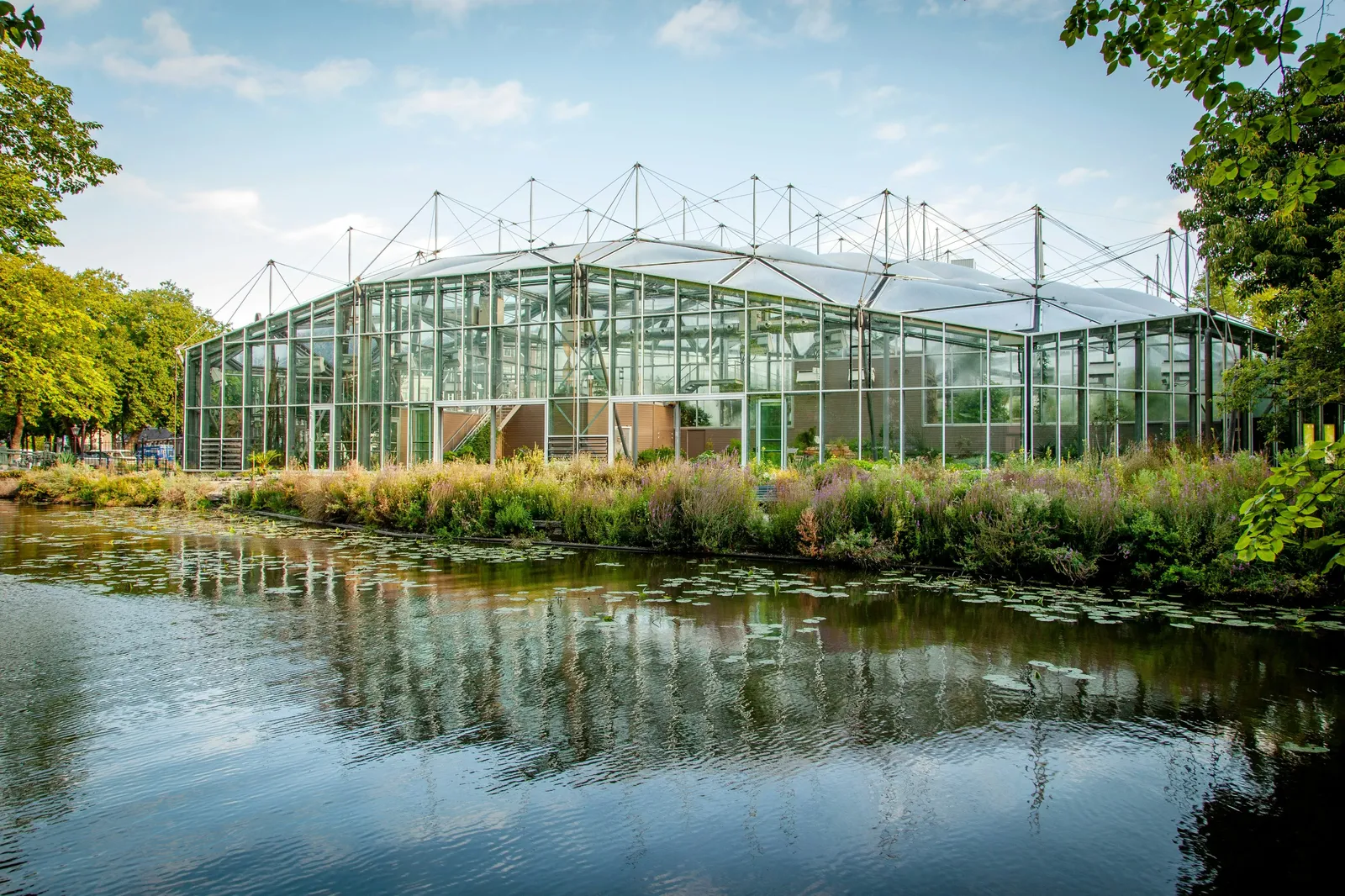
The historic greenhouses are the highlight. The Palm House, the three-climate greenhouse and the butterfly greenhouse offer warm, humid worlds that feel far from the Dutch weather. Inside are rare and unusual plants, some of them centuries old, along with tropical blooms and desert specialists.
It is also a paradise for photographers. Light through glass, bright flowers, textured leaves and elegant architecture give you an endless supply of subjects, in every season. Position it as a calm, green pause in your Amsterdam itinerary, and as a natural partner to the nearby ARTIS Royal Zoo and Micropia.
A Short History of Hortus Botanicus
Founded in 1638
The garden was founded in 1638 by the city of Amsterdam as the Hortus Medicus, a medicinal garden. At the time, Amsterdam was growing fast and becoming one of the richest cities in the world, and the city council wanted a supply of reliable medicinal plants for its doctors and apothecaries. The first garden was small and lay near the Amstel, in the area of the present-day Waterlooplein.
Medicinal Plant Origins
In the 17th century, medicine relied heavily on herbs. Physicians and apothecaries needed to know which plants to use, how to recognise them and how to